
Sri Lanka’s Prime Minister Attends World Economic Forum in Davos: Driving Economic Recovery and Global Engagement
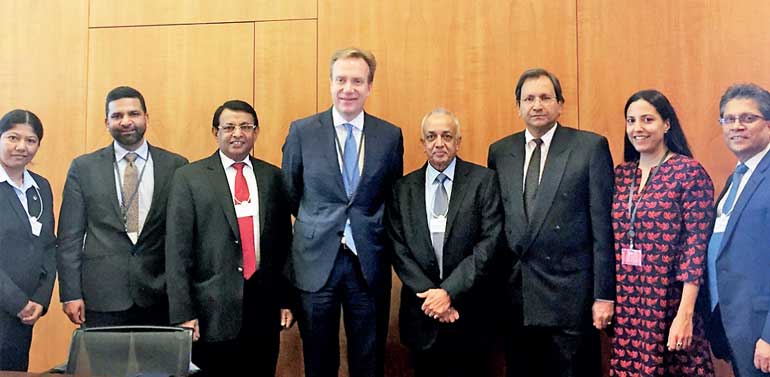
Sri Lanka’s participation in the 56th Annual World Economic Forum (WEF) in Davos, Switzerland marks a strategic milestone for the nation’s economic diplomacy. The Prime Minister’s presence at the global gathering of world leaders, policymakers, investors, and business executives demonstrates Sri Lanka’s intent to actively re-engage with the international economic community.
After a period of economic volatility, high inflation, and fiscal restructuring, Sri Lanka is seeking to restore investor confidence, attract foreign investment, and highlight progress in national reforms. Participation at WEF provides a platform for the country to communicate its policy priorities, discuss strategic economic partnerships, and showcase opportunities for sustainable growth across sectors such as tourism, infrastructure, energy, and technology.
Why Davos Matters for Sri Lanka
The World Economic Forum is more than a conference — it is a hub where global economic policies are shaped, trends are forecasted, and multi-lateral partnerships are established. For Sri Lanka, attending Davos achieves multiple strategic objectives:
- Positioning the country as a reliable investment destination
International investors often view Davos as a benchmark for transparency, policy stability, and economic potential. Presenting Sri Lanka’s reform agenda, fiscal discipline, and disaster-resilience plans reinforces the country’s credibility. - Promoting reform achievements
Sri Lanka has implemented a series of structural reforms in banking, fiscal policy, and governance. WEF provides an opportunity to outline measurable achievements — for instance, improvements in ease-of-doing-business metrics, tourism recovery statistics, and new investment regulations — to a global audience. - Networking with key stakeholders
Beyond plenary sessions, Davos facilitates bilateral and multilateral engagement with global leaders, institutional investors, development banks, and multinational corporations. Such interactions are essential for securing partnerships in infrastructure development, renewable energy, and export-driven growth sectors.
Investment, Trade, and Economic Diplomacy
During the forum, several strategic priorities are expected to dominate Sri Lanka’s agenda:
1. Foreign Direct Investment Opportunities
Sri Lanka aims to attract targeted FDI in high-growth sectors, including logistics, port development, tourism infrastructure, renewable energy, and technology-enabled services. Highlighting investment incentives, regulatory reforms, and strategic locations such as Hambantota and Colombo ports will be central to engagement.
2. Trade Cooperation and Market Access
The Prime Minister’s meetings at Davos are expected to explore bilateral and regional trade agreements, expanded market access for Sri Lankan exports, and strengthening links with global supply chains. Focused sectors include apparel, tea, spices, and digital services.
3. Development Financing and Sustainable Projects
Davos provides a forum to discuss development financing, climate resilience projects, and sustainable urbanisation initiatives. The government is emphasising the alignment of foreign investment with ESG standards, ensuring environmental sustainability and social inclusion.
Economic Analysis: Strategic Importance of Davos Engagement
Economists and policy analysts note that Sri Lanka’s presence at WEF carries tangible benefits:
- Investor Confidence Boost: Positive perception among international investors can accelerate capital inflows, joint ventures, and portfolio investments.
- Enhanced Credit Ratings: Visible engagement signals fiscal discipline and reform credibility, influencing sovereign ratings and borrowing costs.
- Tourism Promotion: High-profile participation indirectly promotes sectors like tourism, as global networks and media coverage highlight Sri Lanka’s stability and investment potential.
- Long-Term Partnerships: Davos meetings can lead to collaborations in tech, renewable energy, and sustainable infrastructure, driving multi-decade growth.
Data from past WEF engagements shows countries attending actively can expect 10–15% increase in inbound foreign investment interest within 12–18 months, reflecting the forum’s influence on investor sentiment.
Rebuilding Global Confidence
After years of economic turbulence and currency fluctuations, Sri Lanka’s international image requires active cultivation. Participation in forums such as Davos allows the government to:
- Signal policy continuity and reform commitment
- Communicate transparent governance and regulatory frameworks
- Align domestic reforms with global economic standards
- Forge multilateral partnerships that support sustainable growth
In practical terms, the Prime Minister’s agenda includes meetings with development banks, private equity investors, and multinational corporations to secure commitments for project financing, skill development partnerships, and infrastructure investments.
Looking Ahead: Strategic Outcomes
Sri Lanka’s WEF engagement represents a comprehensive strategy combining diplomacy, investment attraction, and economic messaging. Analysts predict the following potential outcomes:
- Increased FDI inflows in priority sectors
- Strengthened bilateral and multilateral economic cooperation
- Improved global perception of Sri Lanka’s investment climate
- Enhanced tourism and export promotion through media exposure
- Integration of sustainable and climate-resilient development projects
Ultimately, the forum serves as a launchpad for Sri Lanka to reassert its economic positioning on the global stage, demonstrating both resilience and forward-looking strategy.
