
Ceylon Tea Demand Surges in Middle East Amid Regional Tensions
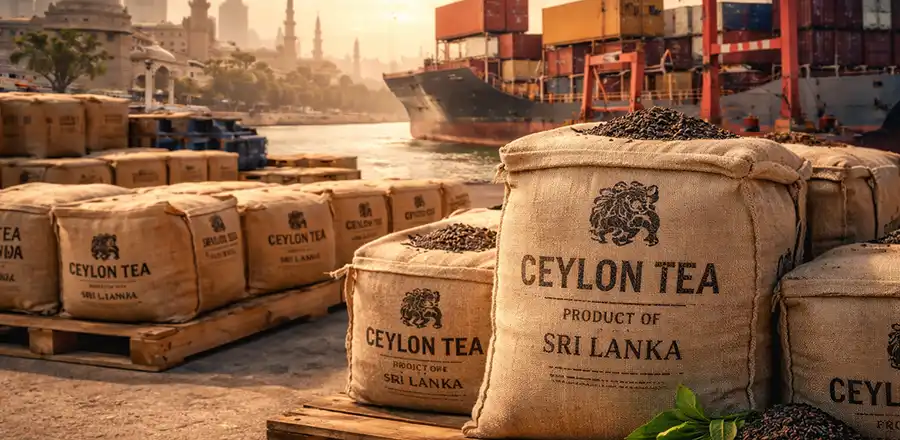
Rising Global Demand Boosts Sri Lanka’s Tea Industry
Sri Lanka’s globally renowned Ceylon Tea is witnessing a notable increase in demand from several Middle Eastern markets, according to recent insights shared by the Sri Lanka Tea Board. This surge comes at a time when geopolitical tensions in the region are influencing consumer behavior, particularly in essential commodities like food and beverages.
Industry experts highlight that during times of uncertainty, households tend to stockpile daily essentials — and tea remains a staple product across many Middle Eastern countries. As a result, Sri Lanka’s tea exports are experiencing renewed interest despite logistical challenges.
Market Stability Returns After Initial Uncertainty
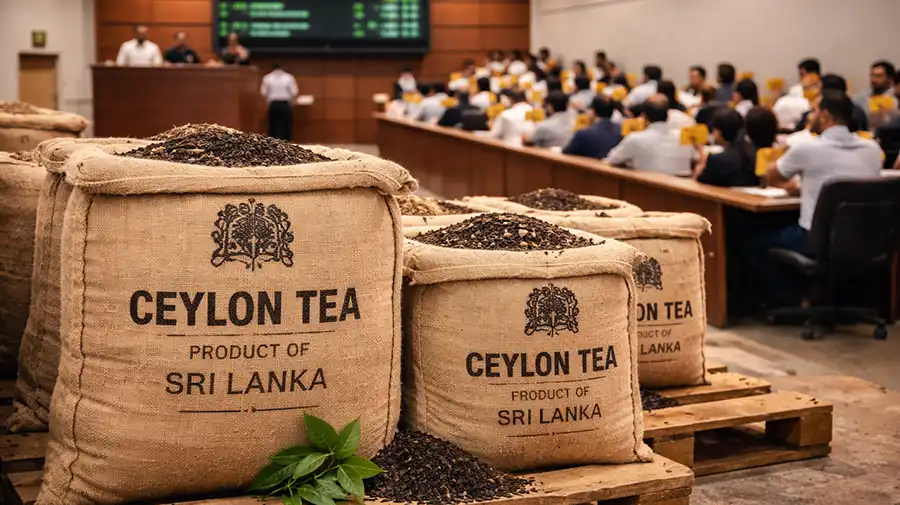
At the onset of the regional conflict, Sri Lanka’s tea auction market experienced a temporary slowdown, with a slight dip in both demand and prices. However, this trend proved short-lived.
Market conditions have since stabilized, with average auction prices recovering to around Rs. 1,153 per kilogram. This reflects steady buyer confidence and consistent international demand, particularly from long-standing export destinations.
The percentage of unsold tea at auctions remains within the 8%–10% range, which aligns with normal market conditions, indicating a healthy balance between supply and demand.
Shipping Disruptions Challenge Traditional Export Routes
Despite the positive demand outlook, exporters are facing logistical hurdles due to disruptions in key maritime routes. The closure and instability surrounding the Strait of Hormuz, a crucial global shipping passage, have significantly impacted exports to countries such as:
- Kuwait
- Saudi Arabia
- Iran
These disruptions have forced exporters to reconsider traditional supply chains and adapt quickly to maintain trade flow.
Strategic Shift to Alternative Markets and Routes
In response to these challenges, the Sri Lanka Tea Board and exporters have taken proactive steps to minimize the impact. Alternative shipping routes have been successfully implemented, allowing continued exports to emerging and accessible markets such as:
- Turkey
- Iraq
This strategic pivot has helped cushion the potential negative effects of regional instability and ensured that Sri Lanka maintains its strong presence in the global tea trade.
Resilience of Sri Lanka’s Tea Export Sector
The current situation highlights the resilience and adaptability of Sri Lanka’s tea industry. Despite geopolitical disruptions and logistical barriers, the sector continues to:
- Maintain stable auction performance
- Secure alternative export pathways
- Respond effectively to shifting global demand patterns
Ceylon Tea remains one of Sri Lanka’s most valuable export commodities, and its strong reputation for quality continues to attract buyers even in uncertain times.
Outlook: Opportunities Amid Challenges
Looking ahead, the evolving situation in the Middle East presents both risks and opportunities. While shipping disruptions may persist, the increased demand driven by consumer stockpiling could support export growth in the short to medium term.
If Sri Lanka continues to diversify its export routes and strengthen trade relationships with alternative markets, the tea industry is well-positioned to sustain its momentum and contribute significantly to the national economy.
