
Rising Costs, Delayed Deliveries, and Fuel Challenges Put Nation’s Power Stability Under Strain
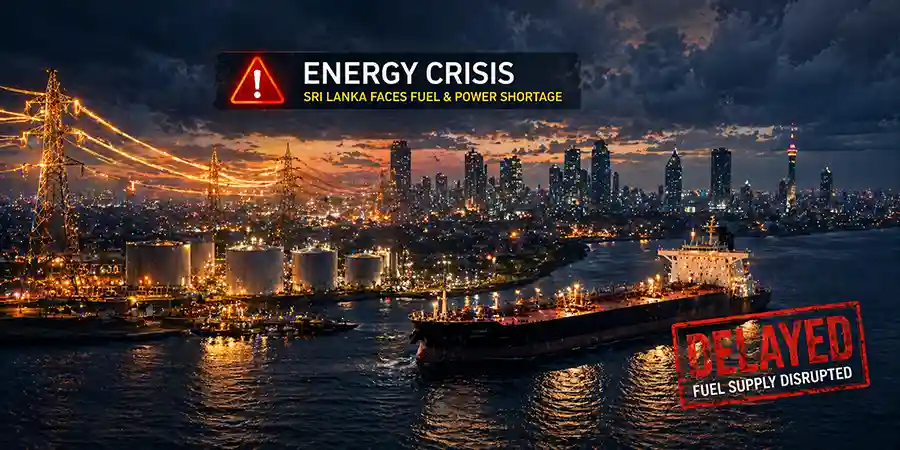
Sri Lanka is once again facing serious pressure within its energy sector as procurement reductions, rising operational costs, and delayed fuel shipments begin to create new risks for the country’s power and fuel supply systems. These growing challenges have raised concerns among businesses, households, and industry leaders who depend heavily on stable electricity and uninterrupted fuel availability.
At a time when the nation is focused on economic recovery and long-term growth, the energy sector remains one of the most important foundations for progress. When power generation costs increase and fuel deliveries slow down, the effects are felt across transport, manufacturing, tourism, agriculture, and day-to-day family life.
Why the Energy Sector Matters to Every Citizen
Energy is the engine of a modern economy. It powers homes, hospitals, factories, schools, offices, and transport systems. Any disruption in supply or increase in operating costs can create a chain reaction throughout the country.
For Sri Lanka, which depends on imported fuel for many of its energy needs, efficient procurement systems and timely shipments are critical. When procurement budgets are reduced or delayed, it can make securing future fuel supplies more difficult and more expensive.
Procurement Cuts Create Long-Term Risks
One of the key concerns highlighted is the reduction or tightening of procurement decisions. Procurement is the process through which fuel, coal, and other energy resources are purchased for national use.
When procurement slows or contracts are delayed, several issues can emerge:
- Future supply gaps
- Higher emergency purchase costs
- Reduced bargaining power in global markets
- Pressure on electricity generation planning
- Increased uncertainty for investors and businesses
Energy experts often warn that delays in planning today can create shortages tomorrow.
Shipment Delays Add Immediate Pressure
Global shipping schedules remain sensitive to weather, conflict zones, port congestion, and freight costs. If shipments carrying fuel or coal arrive late, the impact can quickly reach local energy systems.
Sri Lanka may then face:
- Tight fuel reserves
- Increased generation costs
- Greater use of expensive backup power sources
- Pressure on transport fuel distribution
- Risk of temporary shortages in extreme cases
This makes timing and inventory management essential.
Rising Burn Rates Increase Costs
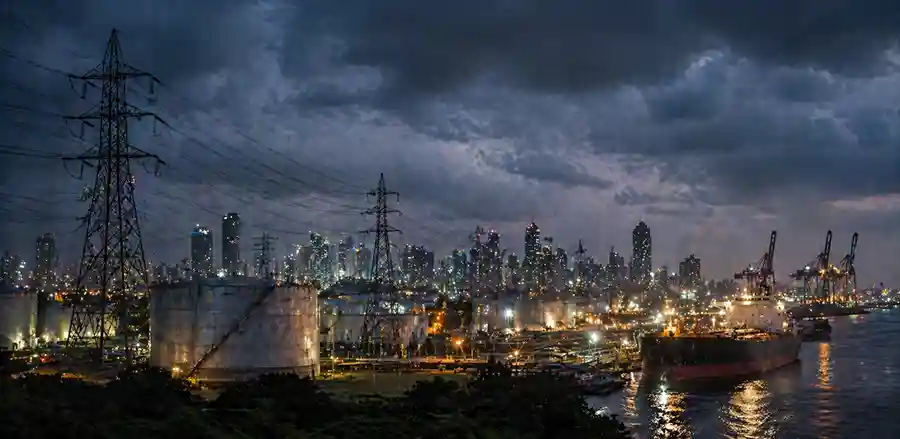
Another major issue is the increasing “burn rate,” meaning the pace at which fuel resources are consumed. During hotter seasons, dry weather, or periods of higher electricity demand, fuel usage can rise sharply.
If consumption rises while shipments are delayed, reserves can fall faster than expected.
This creates a difficult balancing act for authorities who must ensure supply while controlling costs.
How It Affects Businesses and Families
Energy challenges rarely remain inside government offices—they eventually reach the public.
Businesses may experience:
- Higher operating expenses
- Increased generator fuel costs
- Reduced production margins
- Delivery and logistics disruptions
Families may feel the impact through:
- Higher transport costs
- Rising prices of goods and food
- Possible electricity conservation measures
- Greater household budget pressure
Why This Matters for Real Estate and Property Markets
Stable energy supply is a major factor in property growth and investor confidence. Residential buyers, commercial tenants, and foreign investors all look for locations with reliable infrastructure.
If energy uncertainty increases, it can affect:
- Apartment demand in urban areas
- Industrial zone expansion
- Commercial office occupancy
- Construction project timelines
- Overall investor sentiment
On the other hand, regions with stronger infrastructure and backup systems often become more attractive.
What Sri Lanka Can Do Next
To reduce pressure and improve resilience, several long-term strategies are important:
Diversify Energy Sources
Greater investment in solar, wind, hydro, and LNG can reduce dependency on imported fuel.
Strengthen Procurement Planning
Earlier tenders and transparent long-term contracts help secure better prices.
Improve Storage Capacity
Maintaining larger strategic reserves offers protection against shipment delays.
Encourage Energy Efficiency
Smart usage by industries and households reduces unnecessary strain.
Support Private Sector Investment
Modern infrastructure partnerships can strengthen national capacity.
A Turning Point for National Planning
Sri Lanka’s current energy concerns highlight a wider truth: economic growth depends on stable infrastructure. Reliable fuel, electricity, and logistics are not optional—they are essential.
The country now has an opportunity to transform short-term challenges into long-term reform by modernizing procurement systems, expanding renewables, and building stronger supply security.
Conclusion
Procurement cuts, rising fuel burn rates, and shipment delays have created fresh energy concerns for Sri Lanka at a crucial time. While the situation requires careful management, it also offers a chance to build a smarter and more resilient energy future.
For businesses, homeowners, and investors alike, stable power supply remains one of the most important foundations for confidence and growth. The decisions made today could shape Sri Lanka’s economic strength for years to come.
