

In late January 2026, several Asian countries reintroduced COVID-era health screening procedures at airports and border points after a new outbreak of the Nipah virus was reported in the Indian state of West Bengal. This unprecedented move — affecting travel and public health policies across Asia — reflects renewed concerns about infectious diseases and international disease surveillance.
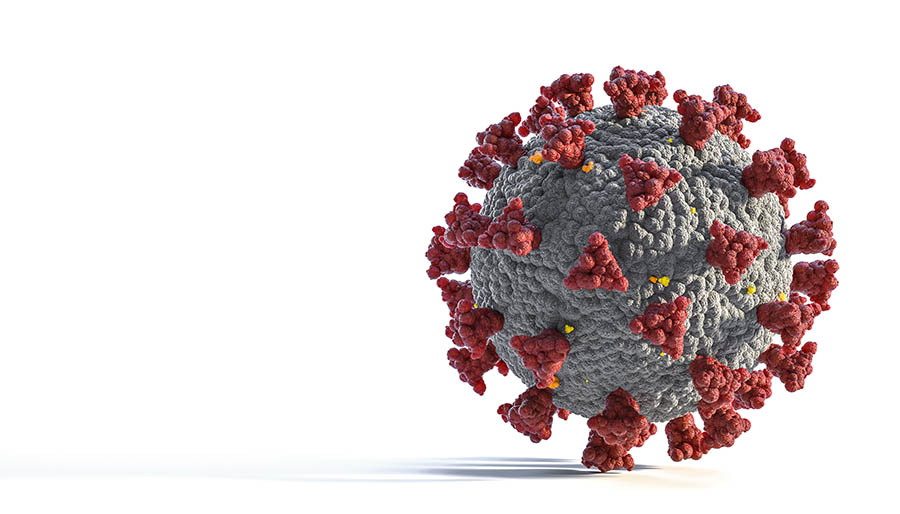
The Nipah virus (NiV) is a rare but potentially deadly zoonotic virus with a high fatality rate. Historically linked to outbreaks in India and Bangladesh, Nipah has no approved vaccine or specific antiviral treatment, making early detection and containment critical.
🦠 What is the Nipah Virus?
The Nipah virus is a zoonotic pathogen that typically spreads from animals — especially fruit bats and pigs — to humans. Transmission can occur through:
- Close contact with infected animals (bat saliva, urine, or contaminated food)
- Person-to-person contact (through bodily fluids or close exposure)
- Contaminated products like raw date palm sap
Symptoms usually begin with fever, headache, and muscle pain, and can rapidly escalate to severe respiratory distress, encephalitis (brain swelling), seizures, confusion, and coma in serious cases. Without prompt medical care, some outbreaks have shown fatality rates between 40 % and 75 %.
Although Nipah does not spread as easily as viruses like COVID-19, its high mortality and lack of treatment mean health authorities remain cautious whenever outbreaks occur.
✈️ COVID-Style Airport Health Screening Is Back
In response to confirmed Nipah cases in West Bengal, nations across Asia — including Thailand, Nepal, and Taiwan — have reintroduced health checks at international airports that resemble procedures used during the COVID-19 pandemic.
👇 Key Measures Being Implemented
1. Temperature & Symptom Checks
Passengers arriving from high-risk regions, particularly flights from West Bengal, undergo temperature screening and symptom inquiries on arrival.
2. Health Declaration Forms
Travellers are being asked to complete health declaration forms reporting recent symptoms or potential exposure risks.
3. “Health Beware” Cards
At some airports, officials are distributing Health Beware Cards — public health advisory cards that outline symptoms and guidance for travellers showing signs of illness.
4. Secondary Evaluation & Quarantine
Passengers with fever, respiratory symptoms, or other warning signs may be referred for further assessment or directed to quarantine facilities for observation.
🌍 Countries Taking Action
- Thailand: Health authorities have activated screening stations at major gateways such as Suvarnabhumi, Don Mueang and Phuket International Airports.
- Nepal: Screening and health desks have been introduced at Tribhuvan International Airport in Kathmandu and other border crossings.
- Taiwan: Plans are underway to list Nipah as a notifiable disease, heightening surveillance for incoming travellers.
Despite these measures, no confirmed Nipah cases have been reported in Thailand, Nepal, or Taiwan to date — the screenings are precautionary and intended to contain possible spread.
🧪 India’s Public Health Response
In India’s West Bengal, where multiple Nipah cases were confirmed, health authorities have:
- Isolated infected patients in secure medical facilities
- Quarantined close contacts for monitoring
- Increased disease surveillance and testing in hospitals and border zones
Local public health officials have reassured the public that the current outbreak remains limited to specific districts and is being aggressively managed.
🌐 What Travellers Should Know
If you are planning travel to or through Asia:
✔️ Expect health checks at airports (temperature screening and health forms).
✔️ Report symptoms like fever, cough, headaches, or muscle pain promptly.
✔️ Follow local health advisories on quarantine or follow-up testing if required.
✔️ Maintain high standards of hygiene and avoid contact with potentially contaminated food or animals.
The international response underscores global vigilance against emerging infectious diseases, even in the absence of a pandemic-level crisis.
