
Sri Lanka Confronts a Widespread Flood Emergency
Sri Lanka is facing one of its most severe flood situations in recent years following continuous monsoon rainfall that has affected multiple districts across the country. Thousands of families have been displaced, homes and farmlands have been damaged, and vital infrastructure such as roads, bridges, drainage systems, and public utilities has suffered extensive destruction. The floods have disrupted daily life, slowed economic activity, and placed immense pressure on emergency services and local authorities.
As relief operations continue on the ground, the national focus has expanded beyond immediate assistance toward long-term recovery, rebuilding, and strengthening resilience against future climate-related disasters.
High-Level Diplomatic Engagement During a National Crisis
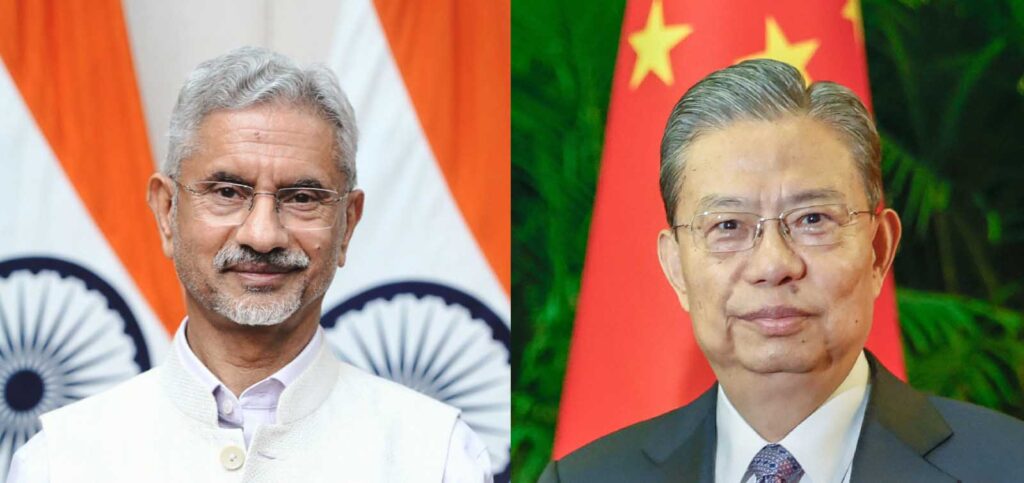
In a significant show of international solidarity, Sri Lanka welcomed official visits by the Indian and Chinese Prime Ministers to discuss flood disaster relief and recovery strategies. The visits underscore Sri Lanka’s strategic importance in the region and reflect strong diplomatic ties during a time of national emergency.
High-level meetings were held with Sri Lankan leadership, senior government officials, and disaster management authorities to assess the flood situation, evaluate urgent humanitarian needs, and explore collaborative approaches for rebuilding and disaster preparedness.
Humanitarian Relief and Immediate Assistance for Affected Communities
Flood-affected communities continue to require urgent support, including food supplies, clean drinking water, medical assistance, and temporary shelter. During the discussions, both India and China expressed their readiness to assist Sri Lanka with emergency relief, logistics support, and coordination to ensure aid reaches vulnerable populations efficiently.
The importance of rapid response, transparent relief distribution, and community-level assistance was emphasised as essential to stabilising affected areas and supporting displaced families.
Technology Takes Centre Stage in Disaster Management Discussions
A major highlight of the diplomatic engagement was the focus on integrating advanced digital solutions to modernise Sri Lanka’s disaster preparedness and response systems. Technology-driven disaster management, particularly through Microsoft-powered platforms, was identified as a critical component in strengthening the country’s ability to manage floods and other climate-related emergencies.
The discussions highlighted how digital tools can transform disaster response by enabling early warnings, real-time monitoring, and faster decision-making, helping Sri Lanka shift from reactive responses to proactive disaster prevention.
Microsoft-Powered Solutions for Smarter Flood Response
Microsoft’s cloud infrastructure and data analytics capabilities were recognised as essential for building a modern, integrated disaster management framework in Sri Lanka. AI-powered flood prediction models can analyse rainfall data, river water levels, and weather patterns to provide early warnings and reduce disaster impact.
Cloud-based emergency coordination platforms allow real-time communication between government agencies, emergency services, and humanitarian organisations. Real-time satellite data analysis helps monitor flood-affected regions, while digital relief distribution tracking systems improve transparency and accountability. Smart city flood monitoring systems were also discussed as long-term solutions for urban flood management.
These technology solutions aim to improve early warning systems, enhance inter-agency coordination, ensure transparent aid distribution, and significantly reduce response times during future disasters.
India Reaffirms Strong Partnership and Regional Support
India reaffirmed its long-standing partnership with Sri Lanka by committing emergency relief supplies, financial assistance, and technical expertise to support flood recovery efforts. Assistance includes food, medical supplies, shelter materials, and advisory support in water resource management and urban drainage planning.
Indian officials also proposed strengthening regional disaster response frameworks across South Asia, emphasising the importance of shared knowledge, joint preparedness, and coordinated action to address climate-induced challenges affecting the region.
China Strengthens Infrastructure and Flood Control Initiatives
China highlighted its commitment to Sri Lanka’s recovery by focusing on infrastructure rehabilitation and long-term flood mitigation measures. Discussions included funding for rebuilding damaged infrastructure, introducing smart flood control systems, and supporting large-scale drainage, reservoir, and water management projects.
Advanced engineering solutions designed for flood-prone urban and rural areas were also explored, with an emphasis on sustainable infrastructure that aligns with climate adaptation and environmental protection goals.
Sri Lankan Government Presents a Strategic Flood Recovery Roadmap
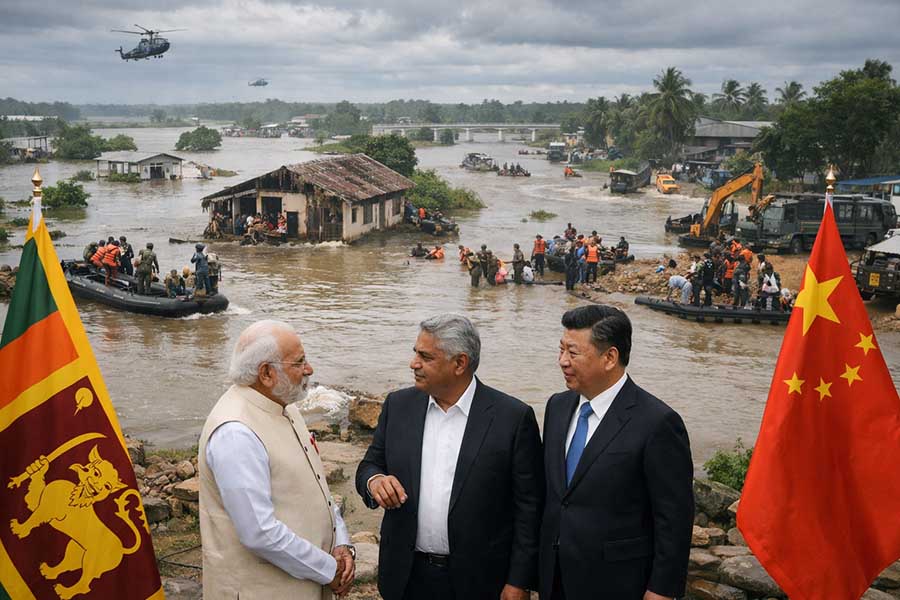
The Sri Lankan Government outlined a comprehensive flood management strategy addressing immediate humanitarian relief, medium-term infrastructure repairs, and long-term climate resilience planning. This approach aims to reduce future flood risks while ensuring faster and more effective disaster response.
Government priorities include modernising drainage and irrigation systems, relocating communities in high-risk flood zones, strengthening disaster preparedness legislation, integrating advanced technology into national emergency systems, and enhancing public awareness and community resilience programmes.
Transparency, accountability, and international cooperation were highlighted as core principles guiding the recovery and rebuilding process.
Strengthening Regional Unity and Climate Resilience
The diplomatic engagement between Sri Lanka, India, and China represents more than a coordinated disaster response. It marks a new chapter of regional unity, technological collaboration, and shared responsibility in addressing climate-related challenges.
The joint commitment sets the stage for stronger regional disaster response mechanisms, sustainable development initiatives, technology-driven governance reforms, and long-term economic and environmental stability for Sri Lanka.
Sri Lanka Directory will continue to provide timely and reliable updates on flood recovery efforts, government initiatives, and international cooperation shaping the country’s response to this evolving situation.
