

Sri Lanka’s proposed counter-terrorism legislation has reopened a sensitive national conversation around security, civil liberties, and democratic accountability. As the government seeks to modernise its legal framework for addressing terrorism-related threats, international human rights organisations — most notably Human Rights Watch — have raised serious concerns that the draft bill may mirror problematic aspects of the former Prevention of Terrorism Act (PTA). The debate unfolds at a crucial moment, as Sri Lanka attempts to rebuild institutional credibility, attract international support, and reinforce the rule of law.
Background: Moving Beyond the Prevention of Terrorism Act
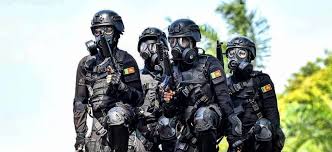
For decades, the Prevention of Terrorism Act formed the backbone of Sri Lanka’s counter-terrorism framework. However, the law drew sustained criticism for enabling prolonged detention without charge, limited judicial oversight, and broad enforcement powers that were frequently challenged in courts and international forums.
The proposed counter-terrorism bill was introduced as a replacement aimed at aligning national security laws with contemporary threats. Government officials argue that evolving security risks require a modern legislative response, particularly in an increasingly interconnected global environment.
Human Rights Watch Raises Structural Concerns
Human Rights Watch has warned that several provisions in the proposed law risk replicating the very weaknesses that made the PTA controversial. According to the organisation, vague definitions of terrorism-related offences and expansive arrest powers could allow for discretionary enforcement, potentially leading to rights violations if safeguards are not clearly embedded.
The group has stressed that effective counter-terrorism does not require sacrificing due process, judicial independence, or fundamental freedoms — principles that underpin democratic governance and international human rights standards.
Calls for Inclusive Consultation and Legal Safeguards
Legal analysts and civil society groups have echoed calls for broad-based consultation before the bill is finalised. They argue that engaging constitutional experts, minority representatives, and independent legal institutions would strengthen the legislation’s legitimacy and resilience.
Key recommendations include:
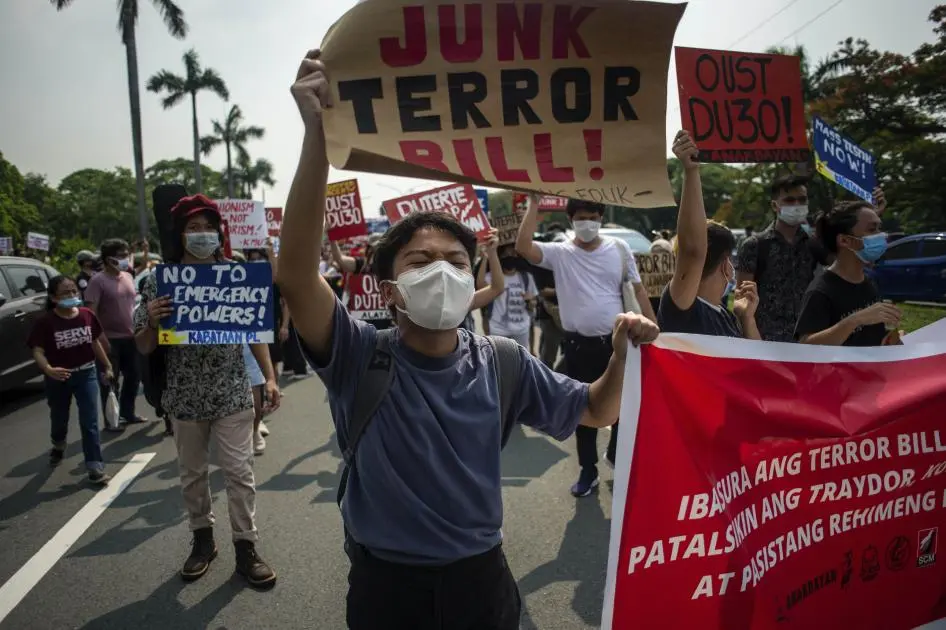
- Strong judicial oversight mechanisms
- Clear limits on detention powers
- Transparent review and appeal processes
- Parliamentary scrutiny aligned with international norms
Such measures, observers say, would enhance public confidence while ensuring security objectives remain credible and lawful.
International Implications and Investor Confidence
Beyond domestic considerations, the proposed law carries international implications. Sri Lanka’s human rights record remains closely monitored by multilateral institutions, development partners, and foreign investors. Legal certainty and rights protections are increasingly viewed as prerequisites for sustainable investment and diplomatic engagement.
How the government addresses these concerns may influence Sri Lanka’s standing in global governance indices and its broader economic recovery narrative.
