
What the Public Should Know and Do on 4 August 2026
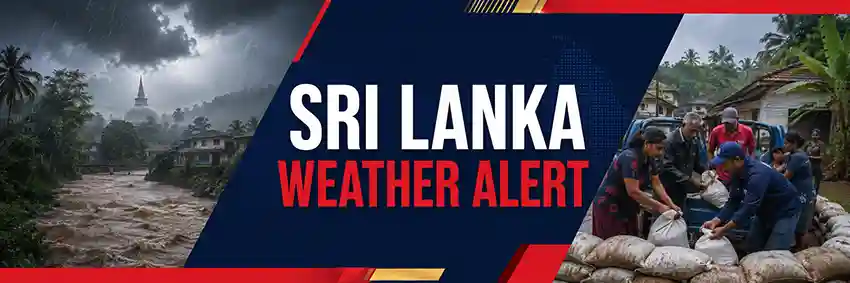
Sri Lanka’s active southwest monsoon is bringing heavy rain, rising river levels, strong winds and dangerous seas to several regions. This verified update explains the official warnings in force on 4 August 2026, the areas requiring greatest caution, and the practical steps families, motorists and fishing communities should take now.
Sri Lanka is experiencing another period of unsettled weather, with heavy rainfall affecting parts of the country and official warnings issued for flooding, strong winds and rough seas.
The message for the public is serious but measured: there is no reason to panic, but people in vulnerable areas should prepare early, follow official instructions and avoid unnecessary risks.
According to the Department of Meteorology’s forecast issued at 5.30 a.m. today, showers or thundershowers are expected at times in the Western, Sabaragamuwa and North-western provinces, as well as the Kandy, Nuwara Eliya, Galle and Matara districts.
Rainfall exceeding 75 millimetres is possible at some locations in Sabaragamuwa Province and the Kandy and Nuwara Eliya districts. Strong winds of approximately 40–50 kilometres per hour may also affect the North-central, Sabaragamuwa, Southern, Central and North-western provinces and the Trincomalee District.
Sri Lanka Weather Situation
10:55 AM SLST
The figures in this snapshot are drawn from the official weather, river and marine warnings available at the stated update time.
Why Continued Vigilance Is Necessary
The heavy-rain advisory issued on 3 August warned that rainfall exceeding 100 millimetres could occur in Sabaragamuwa Province and the Kandy, Nuwara Eliya, Galle and Matara districts.
Official observations covering the preceding 24 hours recorded 191 millimetres at Canyon, 187 millimetres at Laxapana, 186 millimetres at Norton and 159 millimetres at Castlereigh in the Nuwara Eliya District. These readings indicate that some hill-country catchments have already received considerable rainfall.
The advisory was scheduled to remain valid until 11.30 a.m. today. It may be replaced, extended or withdrawn through a later notice, so readers should verify the latest status before relying on it.
Kalu River Flood Risk: Six Areas Requiring Attention
The Irrigation Department issued an Amber minor-flood warning for the Kalu River Basin after analysing rainfall and water levels at its hydrological monitoring stations.
A minor flood situation was considered possible within the following low-lying floodplain areas of the Ratnapura District:
Pelmadulla, Nivithigala, Ratnapura, Kuruwita, Ayagama and Elapatha.
The notice was valid until 2.00 p.m. on 4 August. Residents, motorists and passengers travelling through these areas were asked to remain highly vigilant and take necessary precautions.
People living near the river should move important documents, medicines, electrical equipment, vehicles and livestock away from locations that may be inundated. Families should also identify a safe route to higher ground without waiting for water to enter their homes.
Where Extra Caution Is Needed
A practical location-by-location guide based on current official notices
Ratnapura District
Minor flooding may affect six divisional areas.
and Nuwara Eliya
Falls exceeding 75mm remain possible.
Galle and Matara areas
Repeated showers and localized gusts are possible.
via Hambantota
Very rough seas and 60–70 km/h winds.
This guide reflects the geographical areas identified in the current official forecast, Kalu River warning and marine warning.
Dangerous Seas Carry the Strongest Warning
The most urgent red-level warning applies to the sea areas extending from Galle to Pottuvil through Hambantota.
Winds may reach 60–70 kilometres per hour, with seas becoming very rough at times. Fishing and naval communities have been advised not to venture into those waters until further notice. The warning remains valid until 8.00 p.m. today unless authorities revise it earlier.
Sea areas from Puttalam to Galle through Colombo may also experience winds of 50–60 kilometres per hour. Waves could reach approximately 2–2.5 metres in waters extending from Puttalam to Pottuvil through Colombo, Galle and Hambantota.
Visitors should avoid standing on exposed rocks, breakwaters and unsafe coastal viewpoints. Sudden large waves and gusts can place people in danger even when the shoreline initially appears calm.
What Families and Communities Should Do Now
Preparation should begin before water rises or electricity fails.
Keep identification documents, essential medicines, drinking water, dry food, torches, charged power banks and basic clothing together in a waterproof bag. Families caring for children, older people, pregnant women or people with disabilities should make transport and mobility arrangements early.
Never walk or drive through floodwater. Vehicles can stall or be swept away, while floodwater may conceal drains, debris, electrical hazards and contamination. Food touched by floodwater should not be consumed, and potentially contaminated drinking water should be treated or replaced with a safe supply.
Three Stages of Flood Preparedness
Before Water Rises
- Charge phones and power banks
- Pack documents and medicines
- Move vehicles and valuables
- Plan support for vulnerable family members
During Flooding
- Move towards higher, safer ground
- Never enter moving floodwater
- Do not drive across submerged roads
- Follow verified official instructions
After Water Recedes
- Avoid contaminated water and food
- Keep children away from mud and debris
- Check electricity before re-entering
- Clean hands, wounds and affected items safely
Sri Lanka’s Disaster Management Centre lists 117 as its emergency call-centre number.
What Is Confirmed—and What Has Not Yet Been Confirmed
Social media can spread photographs, casualty figures and affected-family totals before authorities have verified them.
At the time this article was prepared, the DMC website had been updated on 4 August, but its publicly listed national situation reports did not contain a report later than 29 July. SLD is therefore not publishing unverified national totals for deaths, displacement or property damage connected specifically to today’s weather episode.
The confirmed information presently available includes the daily weather forecast, the Amber Kalu River warning, the heavy-rain advisory and the red marine warning.
SLD’s Final Perspective: Compassion Must Be Matched by Preparedness
At difficult moments, Sri Lankans everywhere naturally pray for the safety of the country and offer support to affected communities. That solidarity is powerful—but prayer and concern should also be accompanied by accurate information, early preparation and responsible sharing.
Sri Lanka Directory encourages readers in Sri Lanka and overseas to share this verified awareness update with family members, drivers, travellers, business owners and fishing communities who may be affected.
Stay alert, support vulnerable neighbours and rely on the latest instructions from the Department of Meteorology, Irrigation Department, National Building Research Organisation and Disaster Management Centre.

Comments