
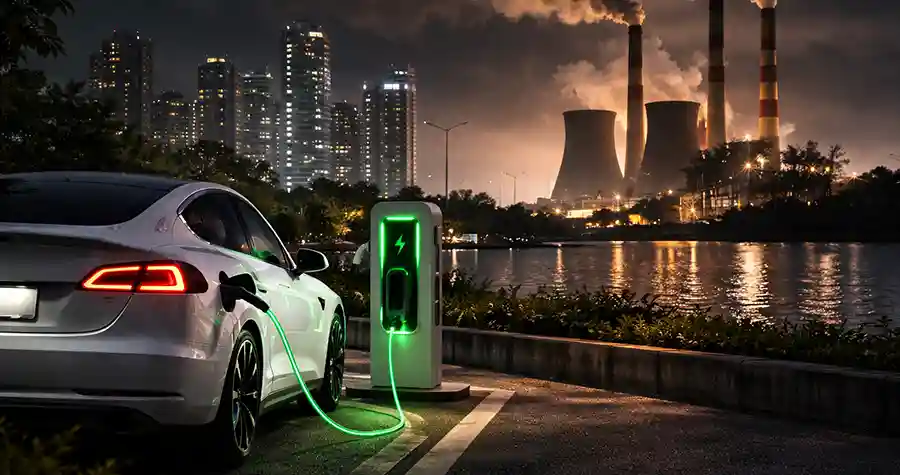
Are Electric Cars in Sri Lanka Really “Green”? The Hidden Reality Behind Coal & Diesel Power
🌍 A Clean Future… or a Complicated Reality?
Electric vehicles (EVs) are widely promoted as the future of clean transportation. In Sri Lanka, the shift towards EVs has accelerated rapidly, especially after the easing of vehicle import restrictions. Many buyers see electric cars as a way to save money on fuel while contributing to a greener environment.
But here’s the reality that many people don’t realize:
👉 Not all electric cars are as “clean” as they seem — especially in Sri Lanka.
Behind the growing EV trend lies a complex energy challenge that raises serious questions about sustainability, infrastructure, and national energy strategy.
⚡ The Core Issue: What Powers Electric Cars in Sri Lanka?
While electric vehicles do not burn petrol or diesel directly, they depend entirely on electricity. And in Sri Lanka, electricity is not always generated from renewable sources.
📊 In fact:
- A significant portion of Sri Lanka’s electricity comes from coal and diesel power plants
- The country still relies heavily on thermal power generation during peak hours
This means:
👉 When you charge your EV, there’s a high chance that energy is coming from fossil fuels — not clean energy.
🌙 Night Charging Is Making Things Worse
A major concern highlighted recently is how and when people charge their electric vehicles.
Most EV owners plug in their cars at night after returning home. But this has created a serious energy demand problem:
- ⚡ EV charging is adding around 300 MW of extra electricity demand during peak evening hours
- To meet this demand, authorities are forced to run coal plants and diesel generators at full capacity
So ironically:
👉 Charging your “eco-friendly” car at night may increase fossil fuel usage.
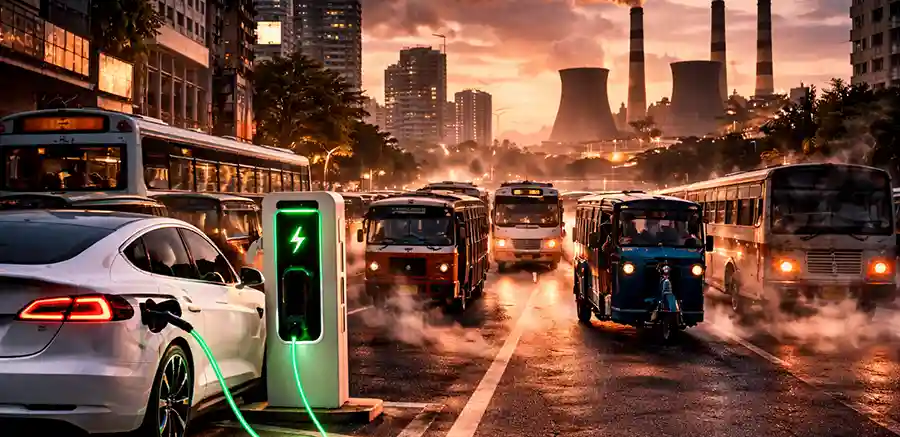
🔥 The Irony: Clean Cars, Dirty Energy?
This creates a major contradiction:
- EVs reduce tailpipe emissions ✔️
- But electricity generation increases emissions ❗
During night-time:
- Coal contributes hundreds of megawatts
- Diesel generators add even more power to the grid
👉 The result:
Electric vehicles indirectly contribute to carbon emissions — depending on the energy mix.
☀️ The Smart Solution: Daytime Charging
Experts and policymakers are now encouraging a shift in behavior:
✔️ Charge EVs during the day
✔️ Use solar-generated electricity
✔️ Avoid peak evening hours
Why?
- Sri Lanka generates more solar energy during daytime
- This reduces reliance on fossil fuel plants
- Helps balance the national grid
👉 Future plans even include time-based electricity pricing to encourage smarter charging habits
🚧 Infrastructure Challenges Slowing True Sustainability
The EV boom in Sri Lanka has exposed deeper structural issues:
1. Lack of Energy Storage
- No large-scale battery systems to store renewable energy
- Excess solar power during the day often goes unused
2. Grid Pressure
- Sudden demand spikes from EV charging strain the system
- Requires backup fossil fuel generation
3. Policy Gaps
- Rapid EV adoption without matching infrastructure planning
- Concerns about long-term energy security
🚗 EV Growth in Sri Lanka: A Double-Edged Sword
Sri Lanka’s EV market is growing fast:
- Over 10% of new vehicle imports are now electric
- Demand surged after import restrictions were lifted
This is good news for:
- Reducing fuel imports 💰
- Improving energy independence
👉 Sri Lanka spends over $4 billion annually on fuel imports, and EVs can help reduce this burden
But without proper planning:
❗ The benefits may be partially offset by increased fossil fuel electricity use.
🌱 The Bigger Picture: Are EVs Still Worth It?
Despite the challenges, electric vehicles still offer long-term benefits:
✔️ Lower running costs
✔️ Reduced oil dependency
✔️ Potential for zero emissions (if powered by renewables)
However, the key takeaway is:
👉 EVs are only as clean as the electricity that powers them.
🔮 What Needs to Happen Next?
For Sri Lanka to truly benefit from electric vehicles, several steps are crucial:
⚡ Expand Renewable Energy
- Invest in solar, wind, and hydro
🔋 Develop Battery Storage
- Store excess renewable energy for night use
📊 Smart Charging Policies
- Introduce time-based tariffs
- Encourage off-peak and daytime charging
🚘 Strategic EV Growth
- Align EV imports with infrastructure readiness
🧠 Final Insight: A Transition, Not a Perfect Solution
Electric vehicles are not a “magic fix” — they are part of a broader transition.
Sri Lanka is currently in a hybrid energy phase, where both clean and fossil fuel sources coexist. Until renewable energy becomes dominant, EVs will carry both environmental benefits and hidden costs.
👉 The future isn’t just about driving electric —
👉 It’s about powering electric the right way.
