
Published: March 16, 2026
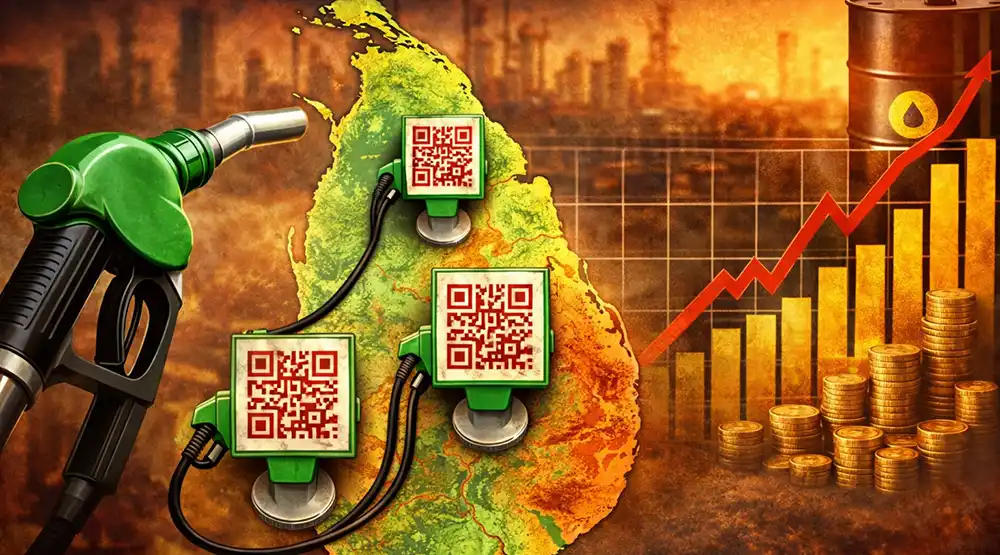
Sri Lanka has officially reintroduced the QR code fuel distribution system across the country starting March 15, 2026, as authorities move to manage fuel supplies amid rising global oil prices and geopolitical tensions in the Middle East.
The decision comes as global energy markets face renewed uncertainty, raising concerns about potential fuel shortages in countries heavily dependent on imported petroleum products, including Sri Lanka.
The move has brought back memories of the 2022 economic crisis, when fuel shortages and long queues disrupted daily life across the island.
Why Sri Lanka Brought Back the Fuel QR System
The Sri Lankan government introduced the National Fuel Pass QR system as a precautionary measure to ensure fair fuel distribution and prevent panic buying.
According to officials, fuel will not be issued at filling stations without a valid registered QR code linked to a vehicle.
The Ministry of Energy stated that the system will help:
• Control excessive fuel purchases
• Ensure fair distribution across all motorists
• Monitor national fuel reserves in real time
• Prevent hoarding and black market activity
Authorities emphasized that the system is not due to an immediate shortage, but rather a preventive step to protect the country’s fuel supply during global uncertainty.
Global Oil Crisis Behind the Decision
The return of fuel rationing in Sri Lanka is closely linked to rising geopolitical tensions in the Middle East, which have pushed global crude oil prices higher.
Energy markets have been volatile due to concerns that supply routes such as the Strait of Hormuz — a key global oil shipping channel — could be disrupted.
Since Sri Lanka imports most of its petroleum products, any disruption in global supply chains can quickly impact local fuel availability and prices.
Experts warn that small island economies like Sri Lanka are particularly vulnerable to global energy shocks.
Fuel Quotas Under the QR System
Under the newly reinstated system, each vehicle category receives a weekly fuel quota.
Typical allocations include:
• Cars: around 15 litres per week
• Motorcycles: about 5 litres per week
• Three-wheelers: about 15 litres per week
• Vans: around 40 litres per week
• Buses: around 60 litres per week
These quotas may be adjusted depending on fuel availability and demand nationwide.
Fuel Prices Also Increased in March 2026
The QR system return follows a recent fuel price revision in Sri Lanka.
Current approximate fuel prices include:
• Petrol 92 – Rs. 317 per litre
• Petrol 95 – Rs. 365 per litre
• Auto Diesel – Rs. 303 per litre
• Super Diesel – Rs. 353 per litre
• Kerosene – Rs. 195 per litre
The price increase reflects rising import costs and global oil price volatility.
Higher fuel costs are expected to impact transportation, logistics, and the cost of living across the country.
Fuel Queues Return in Some Areas
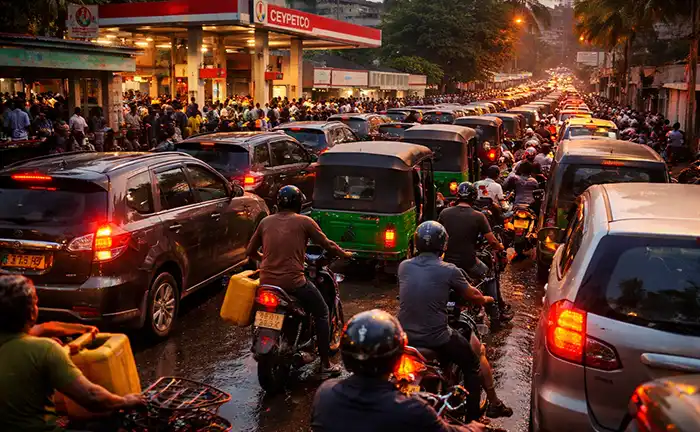
Following the announcement, long queues were reported at several fuel stations across Sri Lanka, as motorists rushed to fill their tanks before restrictions tightened.
Police officers have been deployed in some areas to manage traffic and maintain order near filling stations.
Authorities have urged the public not to panic buy fuel, emphasizing that supplies are being managed carefully.
How to Register for the Fuel QR Code
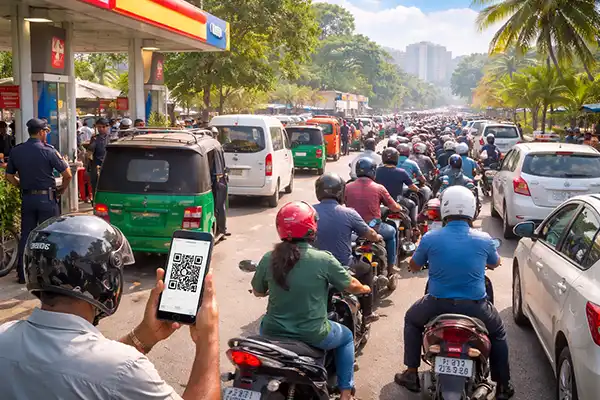
Motorists can register or retrieve their QR code through the official fuel pass portal.
Steps include:
1️⃣ Visit the official website: fuelpass.gov.lk
2️⃣ Enter vehicle registration details
3️⃣ Provide NIC and mobile number
4️⃣ Download the QR code linked to your vehicle
5️⃣ Present the QR code when purchasing fuel
Drivers who registered during the 2022 system may still be able to log in and download their existing QR code.
Economic Impact on Sri Lanka
While the return of fuel rationing has caused public concern, economists say the move may actually help stabilize fuel distribution and prevent a crisis similar to 2022.
By controlling demand and monitoring supply digitally, authorities hope to avoid:
• Long nationwide fuel shortages
• Sudden price spikes
• Black market fuel trading
• Transportation disruptions
However, sectors such as healthcare, public transport, and logistics have expressed concerns about the impact of fuel quotas on operations.
What Happens Next?
Energy officials say the QR system will remain a temporary measure until global oil markets stabilize and supply risks decrease.
The government continues to monitor:
• Global oil price movements
• Fuel import shipments
• National fuel reserves
• Demand across the country
If global conditions improve, restrictions could eventually be relaxed.
For now, authorities are urging citizens to use fuel responsibly and avoid unnecessary travel during peak demand periods.
Conclusion
The reintroduction of the Fuel QR Code system marks a significant policy move by Sri Lanka to protect its energy security during a volatile global oil market.
Although the measure reminds many citizens of the hardships of the 2022 crisis, officials insist the goal is to prevent shortages before they occur and ensure fair access to fuel for everyone.
Sri Lankans are now adjusting once again to the digital fuel pass system as the country navigates uncertain global energy conditions.
