
Sri Lanka Economy Recovery Enters Critical Phase
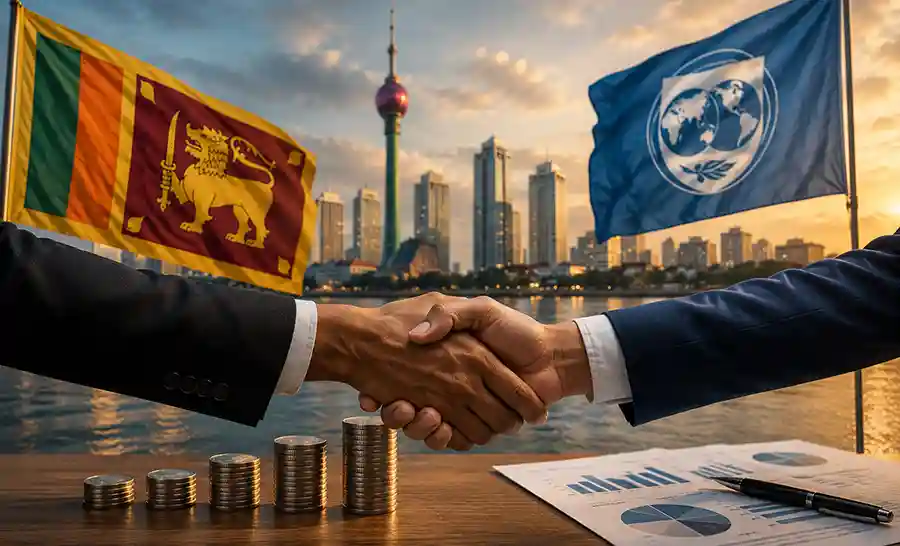
Sri Lanka Economy Recovery Enters Critical PhaseSri Lanka is preparing for a highly anticipated review by the International Monetary Fund (IMF), a development that could significantly influence the country’s ongoing economic recovery efforts and financial stability. The IMF Executive Board is expected to assess Sri Lanka’s progress under its economic reform program, including fiscal restructuring, revenue reforms, debt sustainability measures, and broader macroeconomic performance.
The review is considered one of the most critical milestones for Sri Lanka’s recovery journey since the nation faced its worst economic crisis in decades. A successful assessment could unlock approximately $700 million in additional funding support while boosting investor confidence, strengthening foreign reserves, and supporting long-term economic stabilization.
Sri Lanka’s Economic Recovery Faces a Major Test
After months of aggressive economic reforms, Sri Lanka is now entering a decisive stage in its IMF-backed recovery program. Authorities have implemented several difficult but necessary policy measures aimed at restoring fiscal discipline and rebuilding international confidence in the country’s economy.
The upcoming IMF review will evaluate several key areas, including:
- Government revenue performance
- Tax policy implementation
- Inflation management
- State-owned enterprise reforms
- Debt restructuring progress
- Central bank policy direction
- Foreign reserve growth
- Social welfare protections
Economic analysts believe the review outcome could shape Sri Lanka’s financial direction for the remainder of 2026 and beyond.
Why the IMF Review Matters for Sri Lanka
The IMF program plays a central role in Sri Lanka’s broader economic stabilization strategy. Since securing IMF assistance, the country has managed to improve several economic indicators that had sharply deteriorated during the financial crisis period.
Key Benefits Expected from IMF Approval
1. Access to Additional Funding
Sri Lanka could receive nearly $700 million in the next tranche of IMF financial assistance if the review is approved successfully. These funds are expected to strengthen foreign reserves and improve liquidity conditions.
2. Increased Investor Confidence
A positive IMF review often signals stability to global investors, lenders, and international financial institutions. This may encourage fresh investments into Sri Lanka’s tourism, real estate, banking, and manufacturing sectors.
3. Support for Currency Stability
The Sri Lankan Rupee has shown signs of stabilization in recent months. Continued IMF backing could help maintain confidence in the currency market and reduce volatility.
4. Improved International Creditworthiness
Sri Lanka’s relationship with the IMF remains important for rebuilding trust with global financial markets following the sovereign debt default crisis.
Economic Reforms Already Implemented
Sri Lanka has introduced several reforms under the IMF-supported economic framework, many of which have directly affected businesses and households across the country.
Major Reforms Include
- VAT and tax increases
- Energy pricing reforms
- Public sector expenditure controls
- Banking sector adjustments
- Monetary tightening measures
- Debt restructuring negotiations
- Import management policies
While these reforms have generated criticism due to increased living costs, economic experts argue that many were necessary to stabilize public finances and restore economic credibility.
Signs of Economic Stabilization Emerging
Despite ongoing challenges, some economic indicators have shown gradual improvement over the past year.
Positive Developments Include
- Declining inflation levels
- Growth in tourism arrivals
- Improved foreign reserve position
- Recovery in remittance inflows
- Reduced fuel and commodity shortages
- Greater exchange rate stability
Sri Lanka’s tourism sector in particular has become a major contributor to foreign exchange earnings, helping ease pressure on external finances.
Challenges Still Facing Sri Lanka
Although progress has been made, Sri Lanka continues to face significant economic risks and social pressures.
Key Concerns Include
High Cost of Living
Many Sri Lankan families continue to struggle with rising prices for food, electricity, transport, and daily essentials.
Debt Restructuring Uncertainty
Negotiations with international creditors remain a sensitive and complex process.
Political and Social Pressure
Economic reforms linked to IMF programs often create public dissatisfaction due to austerity measures and tax increases.
Business Recovery Challenges
Small and medium-sized businesses are still facing financing difficulties and reduced consumer spending power.
IMF Review Could Influence Foreign Investment
Global investors are closely monitoring Sri Lanka’s IMF review outcome. Financial analysts believe approval could accelerate investor interest in several sectors including:
- Tourism and hospitality
- Property development
- Infrastructure
- Renewable energy
- Technology services
- Banking and finance
Sri Lanka’s strategic location in the Indian Ocean and improving macroeconomic indicators continue to attract regional business attention.
Government Optimistic About IMF Progress
Sri Lankan officials have expressed confidence regarding the country’s reform performance and ongoing discussions with international financial institutions.
Authorities maintain that the government remains committed to:
- Fiscal discipline
- Economic transparency
- Debt sustainability
- Export growth
- Investment promotion
- Financial sector stability
The government also emphasizes the importance of balancing economic reforms with social welfare protections for vulnerable communities.
Public Reaction Remains Mixed
Public opinion regarding the IMF reform program remains divided across Sri Lanka.
Supporters Believe:
- Reforms are necessary for long-term recovery
- Economic stability is gradually returning
- International confidence is improving
Critics Argue:
- Tax burdens are too high
- Cost of living pressures remain severe
- Economic benefits are not reaching ordinary citizens fast enough
The coming months are expected to be crucial in determining whether recovery gains translate into broader economic relief for the population.
Outlook for Sri Lanka’s Economy
Economists believe Sri Lanka’s recovery path remains fragile but more stable compared to the height of the crisis. Much will depend on:
- IMF review outcomes
- Global economic conditions
- Tourism growth
- Export performance
- Debt restructuring agreements
- Political stability
A successful IMF review could mark another important step toward restoring long-term economic confidence and attracting renewed international support.
