
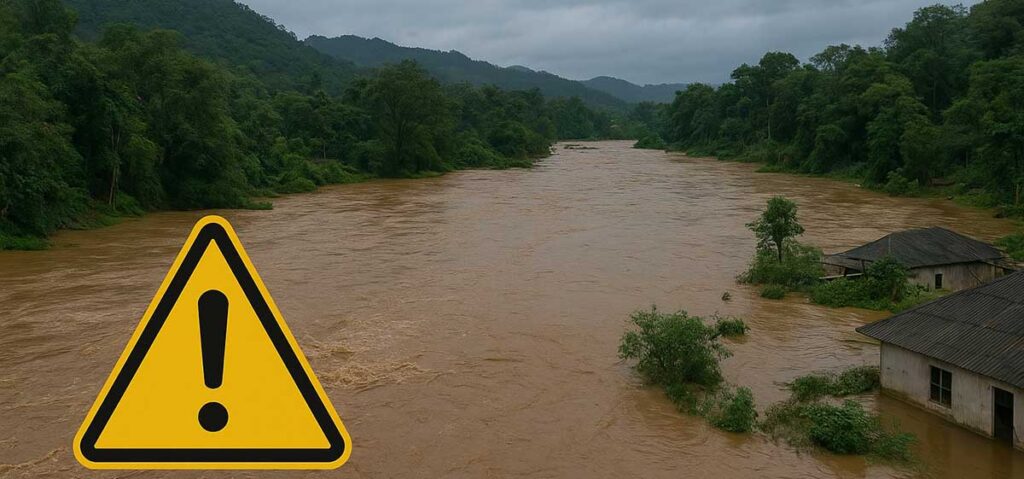
🌧️ Recent Disasters & Humanitarian Crisis
Sri Lanka is undergoing one of its most challenging periods in recent months as severe weather events continue to impact communities across the island. Heavy rains, floods, and landslides triggered by the recent storm systems have displaced thousands of families, washed away homes, damaged agricultural lands, and disrupted transportation networks.
Many districts remain under sustained risk, with emergency teams working around the clock to rescue affected families and restore essential services. Rural communities and plantation areas have been hit hardest, with access roads submerged and electricity supply interrupted. Schools and public institutions in several regions continue to serve as temporary shelters for displaced families.
The humanitarian need is rising rapidly — with urgent requirements for food packs, drinking water, hygiene supplies, temporary shelter, and long-term support for children and the elderly. Relief organizations, government agencies, and volunteer networks are on the ground, but the scale of the crisis demands prolonged, coordinated assistance.
📉 Economic Situation & Recovery Efforts
As Sri Lanka navigates disaster-related challenges, the broader economic landscape also remains under pressure. While there have been attempts to rebuild confidence through debt restructuring and fiscal reforms, the effects of multiple crises still weigh heavily on households and businesses.
Rising costs of living, supply-chain delays caused by recent floods, and foreign reserve constraints have added stress across industries. Many small businesses — especially in retail, logistics, and agriculture — are facing inventory shortages and transport disruptions.
At policy level, Sri Lanka continues its steps toward debt restructuring with international creditors, aiming to stabilize the financial system and unlock further economic support. Reforms are underway to strengthen revenue, control public spending, and improve the investment climate. Early projections suggest that with continued reform and external funding, the country could gradually regain lost economic output — but recovery will depend on consistency in policy and resilience against climate-related disruptions.
🛠️ Relief, Reconstruction & Government Response
The government has initiated short-term and long-term strategies to support recovery following the disaster impacts. Immediate actions include providing compensation for affected families, releasing emergency funds to districts, and coordinating with local authorities to distribute essential supplies. Special attention is being directed toward agriculture losses, rural infrastructure damage, and rebuilding homes destroyed by landslides and floods.
In parallel, Sri Lanka is seeking additional relief financing and technical support from international partners to strengthen disaster recovery, accelerate reconstruction, and stabilize the economy. Authorities have also pledged improvements in disaster early-warning systems, urban drainage upgrading, and climate-resilient infrastructure development.
However, challenges persist — delays in assistance, limited funding, and ongoing economic pressures have raised concerns about the pace and effectiveness of the response. Many communities still require long-term housing solutions, livelihood restoration, and transparent, well-managed relief distribution.
🧭 What This Means for Citizens and Businesses
For families, the immediate concern is safety, access to essentials, and long-term recovery of homes and livelihoods. For businesses, the current period demands resilience, planning, and awareness of supply-chain disruptions.
As Sri Lanka works through both humanitarian and economic challenges, it is important for communities to stay informed, support local relief efforts, and remain alert to official updates regarding weather warnings, travel advisories, and reconstruction programs.
