
Sri Lankan Families Face Higher Avurudu Food Prices as Traditional Celebration Costs Continue to Climb
New Year Celebrations Become More Expensive for Sri Lankan Families
As families across Sri Lanka prepare to celebrate the Sinhala and Tamil New Year, fresh data shows that the cost of preparing a traditional Kevili Table has increased by around 7% in 2026 compared with the previous year.
For many households, the New Year season is a time of joy, family gatherings, sweet treats and cherished customs. But this year, the festive mood is being mixed with financial pressure as the cost of key ingredients and traditional foods continues to rise.
From rice flour and coconut to sugar, oil and spices, many of the essentials used in Avurudu foods are now more expensive, forcing families to rethink budgets, portions and shopping plans.
What Is the Kevili Table?
The Kevili Table is one of the most iconic parts of Sinhala and Tamil New Year celebrations in Sri Lanka.
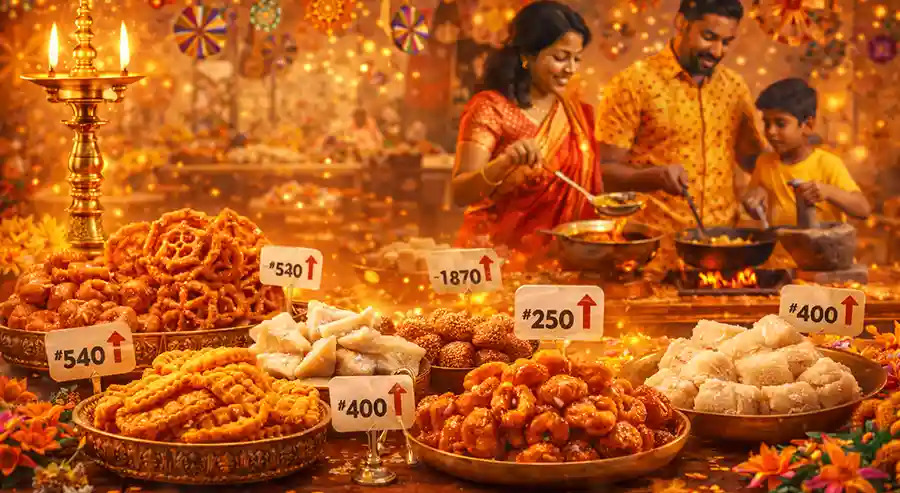
It usually features a colourful spread of traditional sweet and savoury foods such as:
- Kavum
- Kokis
- Athirasa
- Aluwa
- Mung Kevum
- Milk rice (Kiribath)
- Bananas and fruits
- Sweetmeats and snacks
The table symbolises abundance, hospitality and the sharing spirit of the New Year season.
Guests are welcomed with food, families gather around it, and many traditions revolve around preparing and enjoying these dishes together.
What the 7% Increase Means in Real Life
A 7% rise may seem moderate on paper, but for many households already dealing with living cost pressure, it makes a noticeable difference.
It means families may now pay more for:
- Rice flour
- White sugar
- Jaggery or treacle
- Cooking oil
- Eggs
- Coconut
- Cashew and raisins
- Wheat flour
- Gas or cooking fuel
When buying multiple ingredients together, the total festival budget can increase significantly.
For middle-income and low-income households, even a few thousand rupees extra during festive periods matters.
Why Are New Year Food Costs Rising?
Several economic factors may be contributing to the higher cost of Avurudu foods.
Rising Transport Costs
When fuel and delivery costs increase, goods become more expensive by the time they reach markets.
Agricultural Supply Changes
Weather conditions, harvest yields and seasonal shortages can impact coconut, rice and sugar-related products.
Import Costs
Some food ingredients, packaging materials and oils depend on international prices and exchange rates.
General Inflation Pressure
Even when inflation slows overall, household food categories may still remain elevated.
Families Adjusting Their Celebration Budgets
Many Sri Lankan families are finding practical ways to celebrate while controlling expenses.
Some households are:
- Making smaller quantities of sweets
- Sharing preparation costs with relatives
- Choosing homemade treats instead of store-bought items
- Comparing prices across markets
- Buying ingredients earlier to avoid last-minute price spikes
- Reducing waste and focusing on essentials
The spirit of the New Year often remains strong, even when budgets are tighter.
Homemade vs Store-Bought Kevili
This year, more families may compare the cost of preparing sweets at home versus buying ready-made products.
Homemade Advantages
- Lower cost in some cases
- Fresh ingredients
- Family bonding through cooking
- Ability to control portions
Store-Bought Advantages
- Saves time
- Convenient for working families
- Professional presentation
- Wide variety available
However, rising ingredient prices may also push up prices in bakeries and sweet shops.
The Emotional Value of Avurudu Traditions
For many Sri Lankans, the Kevili Table is more than food.
It represents:
- Family unity
- Blessings for the year ahead
- Respect for tradition
- Sharing with neighbours
- Joy for children
- Cultural identity
Even during difficult financial times, many families make sacrifices to preserve these traditions.
That is why price increases are felt not only economically, but emotionally too.
Market Activity Expected to Increase Before New Year
As the festival approaches, markets and supermarkets are likely to see stronger demand for:
- Coconut and coconut oil
- Rice flour
- Sugar
- Fresh milk products
- Fruits
- Snacks and sweets
- Decorative items
- Gift packs
Consumers often rush during the final week, which can create temporary shortages or price movement.
Early shopping may help some families manage spending better.
Advice for Consumers This Season
To celebrate smartly in 2026, households may benefit from:
Make a Budget First
Set a spending limit before shopping.
Prioritise Must-Have Items
Choose the foods and traditions most meaningful to your family.
Compare Prices
Check local markets, supermarkets and wholesale stores.
Cook Together
Homemade foods often reduce cost while creating memories.
Avoid Last-Minute Purchases
Late buying can mean higher prices and fewer options.
Can Celebrations Still Be Joyful?
Absolutely.
Many Sri Lankan families have long shown resilience during difficult times. Even when costs rise, celebrations often continue through creativity, sharing and togetherness rather than luxury spending.
A smaller table filled with love can mean more than an expensive one.
That spirit remains at the heart of Avurudu.
Final Thoughts
The reported 7% rise in the cost of the Sinhala and Tamil New Year Kevili Table in 2026 is a reminder that economic pressures continue to shape everyday life in Sri Lanka.
Yet despite higher prices, the season remains one of hope, family and renewal.
Families may spend more carefully this year, but the meaning of the celebration remains priceless.
