
Sri Lanka Balances Economic Recovery and Global Risks
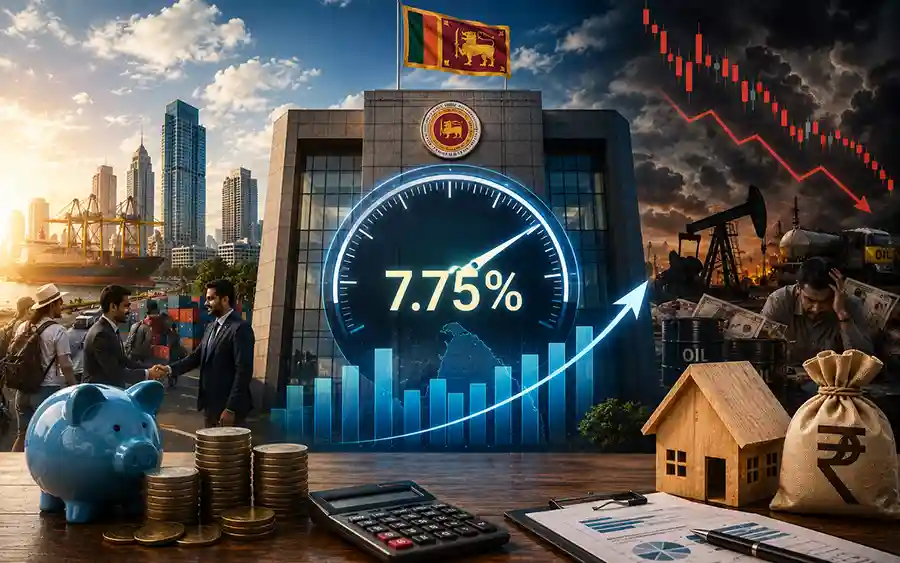
Central Bank Keeps Rates at 7.75%
The Central Bank of Sri Lanka has decided to keep its key policy interest rate unchanged at 7.75%, signaling a cautious but stable approach as the country continues navigating its economic recovery. Monetary authorities say recent improvements in inflation, foreign reserves, and overall macroeconomic conditions have supported stability, but global uncertainties — including Middle East tensions, energy market volatility, and international financial risks — continue to pose challenges for the country’s recovery path.
The latest policy decision has attracted significant attention from businesses, investors, banks, property developers, and consumers because interest rates directly affect loans, mortgages, investments, savings, and overall economic activity across Sri Lanka.
Financial analysts say the Central Bank’s decision reflects a balancing act between supporting economic growth and maintaining long-term inflation and currency stability.
Why the Central Bank Held Rates Steady
Interest rates are one of the most important tools used by central banks to manage inflation, economic growth, borrowing costs, and financial stability.
By keeping rates unchanged, the Central Bank appears to be signaling that:
- Inflation pressures are currently manageable
- Economic recovery is continuing gradually
- Currency market conditions remain relatively stable
- Further sudden policy changes may not yet be necessary
However, authorities also acknowledge that global economic uncertainty remains high, especially due to geopolitical tensions and international fuel price risks.
What the 7.75% Policy Rate Means
Sri Lanka’s policy interest rate influences how commercial banks price loans and deposits throughout the economy.
Areas Directly Affected Include
- Home loans
- Business loans
- Vehicle financing
- Credit card interest
- Fixed deposits
- Savings interest rates
- Investment activity
When policy rates remain stable, it generally helps reduce uncertainty for businesses and consumers making long-term financial decisions.
Impact on Businesses and Borrowing
Many Sri Lankan businesses are closely watching interest rate decisions because borrowing costs significantly affect expansion plans, operating expenses, and investment confidence.
Positive Effects of Stable Rates
Easier Financial Planning
Businesses can better estimate financing costs when rates remain predictable.
Improved Investment Confidence
Stable monetary policy may encourage companies to restart delayed projects or investments.
Support for Small and Medium Enterprises
SMEs often rely heavily on bank financing and are highly sensitive to interest rate fluctuations.
However, some businesses still argue that financing costs remain relatively high compared to pre-crisis conditions.
Housing Market Watching Closely
Sri Lanka’s property and housing sectors are also highly influenced by interest rate movements.
How Stable Rates Affect the Housing Market
Mortgage Borrowers
Stable rates may provide some relief for existing and future home loan borrowers.
Property Developers
Developers monitor financing conditions before launching new housing and commercial projects.
Real Estate Investors
Interest rates influence demand for apartments, land, and commercial properties.
The real estate market has shown gradual signs of recovery after economic instability slowed construction and investment activity during the crisis period.
Inflation Still a Key Concern
Although inflation has eased significantly compared to peak crisis levels, authorities remain cautious about future risks.
Major Inflation Risks Include
- Global fuel price increases
- Import costs
- Currency fluctuations
- Supply chain disruptions
- Food price volatility
- Geopolitical instability
Middle East tensions remain particularly important because energy market disruptions could quickly affect oil prices and transportation costs globally.
Sri Lanka’s import-dependent economy makes the country especially vulnerable to international fuel price shocks.
Currency Stability Remains Critical
The Central Bank’s decision is also closely linked to protecting stability in the Sri Lankan Rupee.
Why Currency Stability Matters
A stable currency helps:
- Reduce import cost volatility
- Maintain investor confidence
- Support inflation control
- Improve business planning
- Strengthen financial market confidence
Financial experts note that maintaining balance between interest rates, inflation, and exchange rate stability remains one of Sri Lanka’s biggest economic challenges.
Global Risks Continue Influencing Sri Lanka
Although Sri Lanka’s domestic conditions have improved, international developments continue affecting the country’s financial outlook.
Key Global Risks Include
Middle East Geopolitical Tensions
Conflicts and instability could disrupt global oil supplies and shipping routes.
Global Inflation Trends
International inflation pressures may affect import prices.
US Interest Rate Decisions
Federal Reserve policy changes often influence global investment flows and emerging markets.
Commodity Market Volatility
Changes in oil, food, and raw material prices impact Sri Lanka’s economy directly.
As a small open economy, Sri Lanka remains highly sensitive to global financial and geopolitical developments.
Signs of Recovery Continue Emerging
Despite ongoing concerns, several economic indicators suggest Sri Lanka’s recovery is gradually progressing.
Positive Developments Include
- Lower inflation levels
- Recovery in tourism earnings
- Improved fuel availability
- Growth in foreign reserves
- Increased remittance inflows
- More stable exchange rate conditions
International financial institutions have also acknowledged improvements in Sri Lanka’s macroeconomic stabilization efforts.
Public and Consumer Concerns Still Remain
While financial indicators may show stabilization, many Sri Lankan households continue experiencing pressure from:
- High living costs
- Salary challenges
- Tax increases
- Utility expenses
- Food inflation
Consumers continue hoping for lower lending rates, easier access to credit, and broader economic relief as recovery progresses.
Analysts Divided on Future Interest Rate Direction
Economists remain divided regarding what the Central Bank may do in coming months.
Some Analysts Expect:
- Gradual future rate reductions if inflation remains controlled
- Improved lending conditions
- Faster business recovery
Others Warn:
- Global uncertainty may force continued caution
- Fuel price risks could trigger inflation pressure
- Currency stability must remain the top priority
Most experts agree that monetary policy decisions will continue depending heavily on inflation trends and international market conditions.
Outlook for Sri Lanka’s Economy
Sri Lanka’s economic recovery remains closely tied to careful monetary management, global stability, and domestic reform progress.
The Central Bank’s decision to maintain interest rates at 7.75% reflects efforts to:
- Support recovery momentum
- Protect currency stability
- Control inflation risks
- Maintain investor confidence
The coming months are expected to remain critical as Sri Lanka balances domestic economic recovery with uncertain global financial conditions.
