
Public Debate Grows Over Cost of Living and Recovery Reality
Is Sri Lanka Really Recovering? Rising Cost of Living Fuels Public Debate Across the Country
Sri Lanka’s economy has shown signs of stabilization over the past year, with improvements in inflation, tourism revenue, fuel availability, and foreign reserves frequently highlighted by economic analysts and policymakers. However, despite these positive indicators, many ordinary Sri Lankans continue to feel intense financial pressure in their daily lives, leading to growing public debate over whether the country’s economic recovery is truly reaching households across the island.
Across social media platforms, public discussions, business forums, and everyday conversations, concerns remain focused on several key issues:
- Rising taxes
- High fuel and electricity costs
- Salary pressure
- Food inflation
- Dollar exchange rate fluctuations
- Increasing household expenses
- Reduced purchasing power
While official economic figures suggest progress, the lived experience for many families tells a more complex story.
Economic Recovery vs Daily Reality
Sri Lanka’s recovery journey following the country’s financial crisis has been closely monitored both locally and internationally. Authorities point to improvements such as:
- Lower inflation compared to crisis peaks
- Better fuel and medicine availability
- Recovery in tourism arrivals
- Increased foreign reserve levels
- Greater currency market stability
- IMF-supported reform progress
Yet for many citizens, daily expenses continue to feel significantly higher than before the economic crisis began.
This growing gap between macroeconomic recovery indicators and household financial reality has become one of the most discussed social and economic topics in Sri Lanka today.
Why Many Sri Lankans Still Feel Economic Pressure
Economists explain that even when national economic indicators improve, recovery often takes much longer to reach ordinary consumers and workers.
Several major factors continue affecting public financial stability.
Rising Taxes Continue to Affect Households
One of the most widely discussed concerns remains the increase in taxes introduced during Sri Lanka’s economic reform process.
Tax-related concerns include:
- Higher VAT rates
- Increased income tax obligations
- Business taxation pressure
- Higher service-related costs
Many middle-income earners say monthly disposable income has reduced considerably due to increased deductions and rising expenses.
Small business owners have also reported challenges balancing operating costs while maintaining affordable prices for customers.
Fuel Prices Continue Influencing Everyday Costs
Fuel remains one of the most important economic pressure points because transportation costs affect nearly every part of the economy.
Higher fuel costs impact:
- Public transportation fares
- Delivery and logistics costs
- Food distribution expenses
- Business operating costs
- Agricultural production costs
Even when global oil prices fluctuate, local consumers often continue experiencing elevated transportation-related expenses.
As a result, fuel pricing continues to influence inflation across multiple sectors.
Food Inflation Still a Major Concern
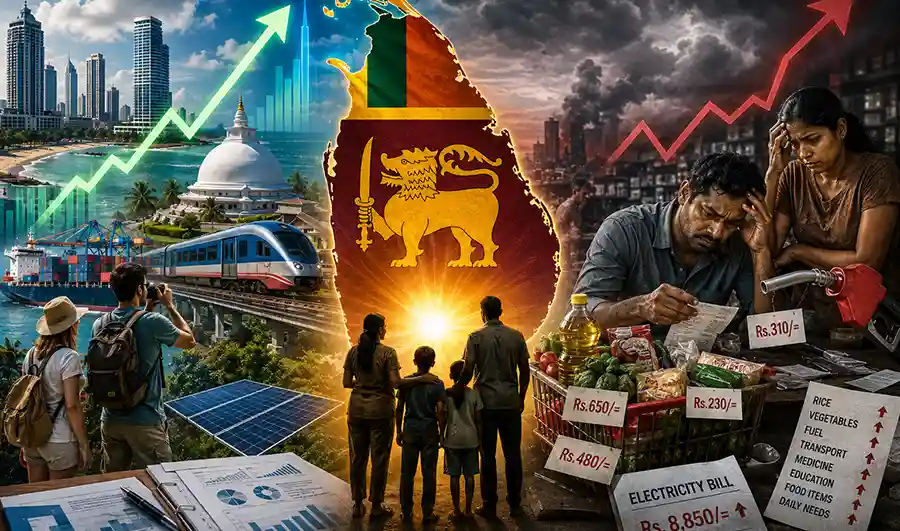
Food prices remain among the biggest financial burdens facing many Sri Lankan households.
Consumers continue reporting higher prices for:
- Rice
- Vegetables
- Fish and meat
- Milk powder
- Imported food products
- Household essentials
Although inflation rates may have slowed compared to peak crisis periods, many products remain significantly more expensive than they were several years ago.
Families are increasingly adjusting spending habits, reducing non-essential purchases, and searching for cheaper alternatives in order to manage monthly budgets.
Salary Pressure and Household Financial Stress
Another major public concern involves the growing gap between salaries and living costs.
Common financial challenges include:
Limited salary growth
Many workers report that wages have not increased at the same pace as inflation and living expenses.
Reduced savings ability
Families say they are struggling to save money after covering essential monthly costs.
Increased debt reliance
Some households have become more dependent on loans, credit cards, or informal borrowing.
Youth financial uncertainty
Young professionals face concerns regarding employment opportunities, migration decisions, and long-term financial security.
The pressure is particularly strong among urban middle-class families balancing housing, education, transportation, and utility expenses.
Dollar Exchange Rate Remains Closely Watched
The value of the Sri Lankan Rupee against the US Dollar continues influencing public sentiment regarding economic stability.
Many imported goods and services depend heavily on foreign currency exchange rates, including:
- Fuel
- Medicine
- Electronics
- Vehicle parts
- Industrial materials
- Food imports
As a result, fluctuations in the dollar exchange rate often create immediate public concern about future price increases.
The currency market has therefore become a symbol of broader economic confidence for many Sri Lankans.
Social Media Reflects Growing Public Frustration
Online discussions increasingly show frustration over the gap between economic recovery narratives and daily financial reality.
Popular discussion themes include:
- “Why are prices still so high?”
- “Has the economy really recovered?”
- “Who is benefiting from recovery?”
- “Why are salaries not increasing?”
- “Can ordinary families keep up with costs?”
Social media platforms have become major spaces where citizens openly discuss financial stress, employment concerns, taxation, and household budgeting struggles.
Businesses Also Feeling the Pressure
Sri Lankan businesses continue navigating difficult conditions despite signs of broader economic stabilization.
Key business concerns include:
- Lower consumer spending power
- Higher operating expenses
- Reduced profit margins
- Import-related costs
- Financing difficulties
- Utility and transport expenses
Many small and medium-sized enterprises remain cautious about expansion plans due to uncertain consumer demand.
Tourism and Foreign Investment Offer Some Hope
Despite domestic financial challenges, several sectors are showing positive momentum.
Tourism Recovery
Tourism arrivals have increased significantly, bringing valuable foreign exchange into the economy.
Investor Confidence
International financial institutions and foreign investors are gradually regaining confidence in Sri Lanka’s recovery efforts.
Infrastructure and Development
Some development projects and private sector investments have resumed after delays during the economic crisis period.
Economists believe these sectors could contribute to long-term recovery if growth remains consistent.
Experts Say Recovery Takes Time
Economic analysts note that recovery from a national financial crisis is often uneven and gradual.
Key points highlighted by experts:
- Macroeconomic stabilization usually occurs before household relief
- Inflation reduction does not immediately lower prices
- Wage recovery often lags behind economic reforms
- Public confidence rebuilds slowly after crises
While official indicators may improve first, everyday living standards can take years to fully recover.
Public Expectations Continue Rising
As economic conditions stabilize compared to crisis periods, public expectations are also increasing.
Citizens are now focusing less on emergency survival issues and more on:
- Quality of life improvements
- Salary growth
- Lower taxes
- Affordable living costs
- Employment opportunities
- Economic fairness
This shift is shaping broader national discussions about the future direction of Sri Lanka’s recovery strategy.
Outlook for Sri Lanka’s Economy
Sri Lanka’s recovery remains one of the most closely watched economic stories in South Asia. While stabilization efforts have shown progress, the coming years will likely determine whether broader economic improvements translate into meaningful financial relief for ordinary citizens.
Much will depend on:
- Job market growth
- Inflation control
- Wage improvements
- Currency stability
- Tourism performance
- Investment confidence
- Government policy decisions
The debate surrounding Sri Lanka’s recovery is likely to continue as the country balances economic reforms with public expectations and social pressures.
